300.png)

Are We Turning Human Oversight Into Technological Babysitting?
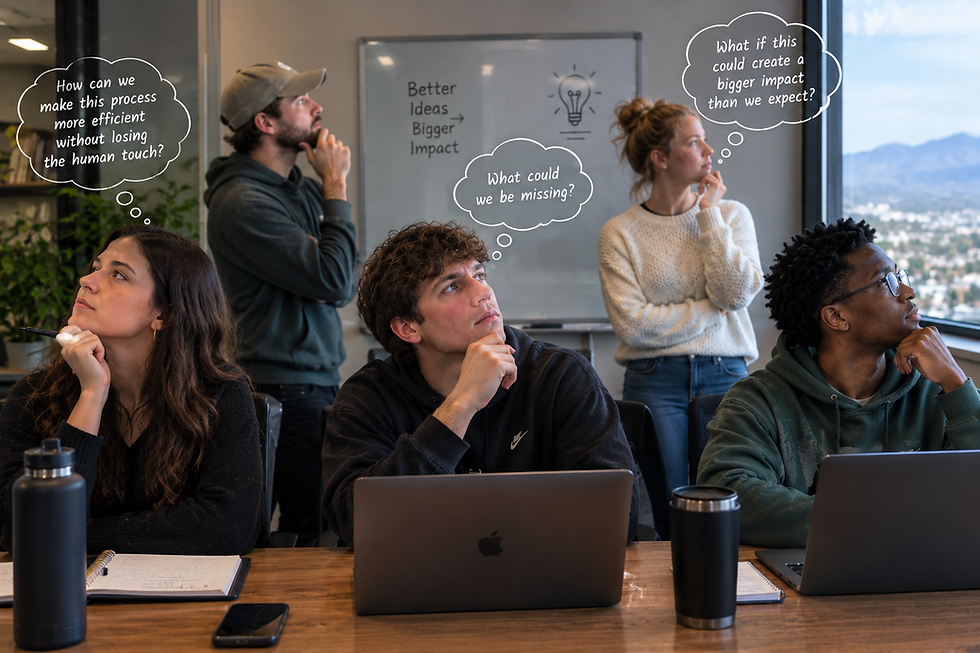
What if, in trying to keep humans “in the loop,” we design the smallest possible role for them?
Approve the output.
Correct the mistake.
Catch what the system missed.
Intervene when something goes wrong.
Is this the future of human contribution?
To become technological babysitters?
If a person must review everything a system produces, have we truly released them from repetitive work?
Or have we replaced doing the work with watching the work being done?
And what happens to attention when most of what someone reviews is correct?
Can we expect people to remain deeply alert while giving them a role built almost entirely around waiting for an exception?
This is where automation bias becomes more than a problem of human vigilance.
It becomes a question of design.
How could uncertainty remain visible instead of being polished out of the answer?
Where does context change what the data appears to mean?
Which decisions carry consequences that deserve more than a likely answer?
When should human experience redirect the work rather than simply approve it?
People should not remain in the process only because technology might fail.
They should be there because Human Intelligence can contribute something the process would not otherwise contain.
Purpose.
Meaning.
Imagination.
The ability to notice that reality has changed, even when the pattern still looks familiar.
Keeping humans “in the loop” is too small an ambition if the loop only allows them to agree, correct, or stop what technology has already decided to do.
A design reflection:
If people are included only to catch what technology gets wrong, who is designing what Human Intelligence could make possible?
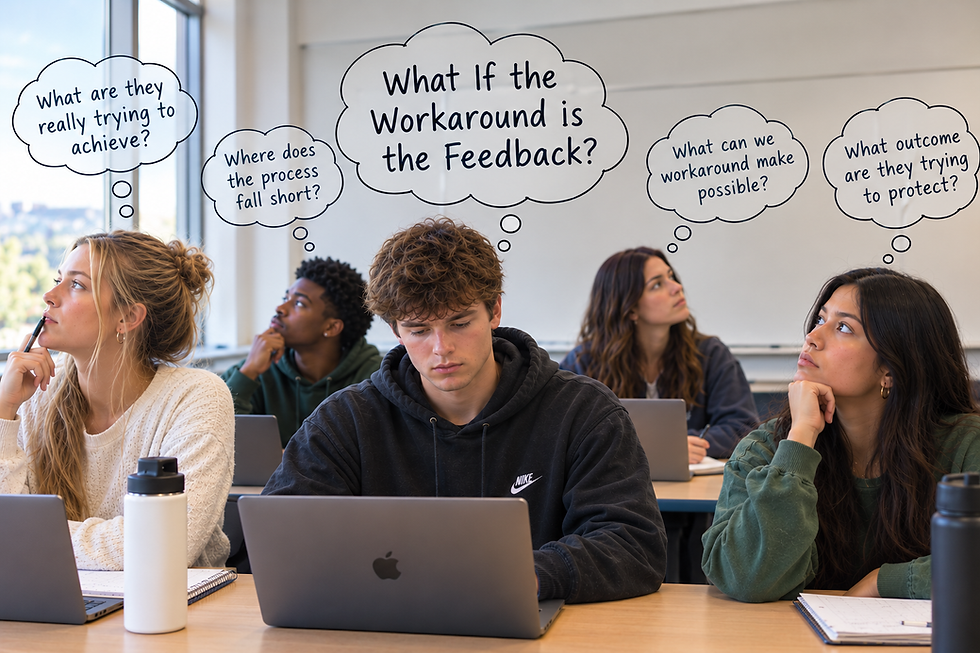

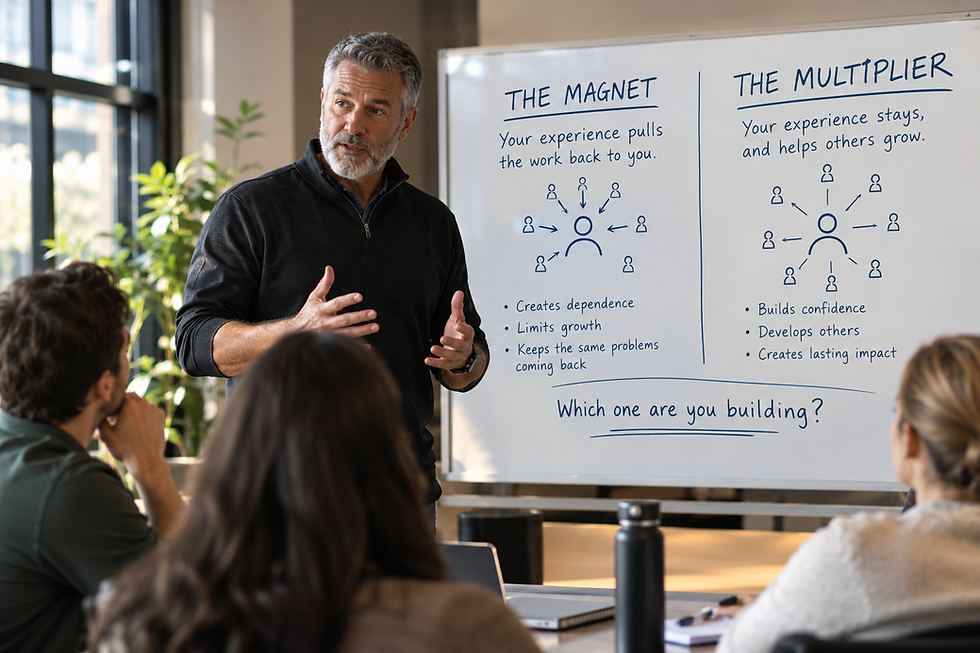
Comments